





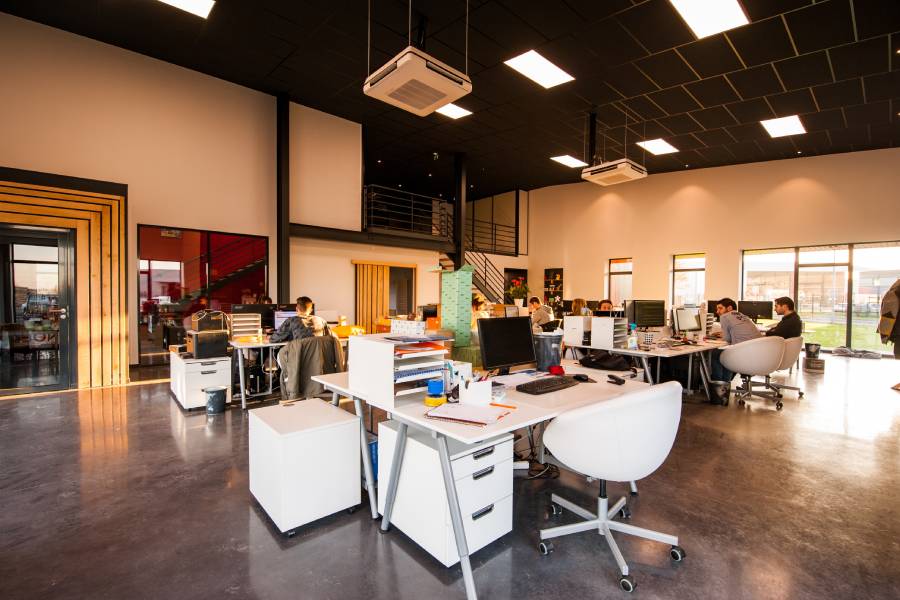
Office noise isn’t just a comfort issue. In a noisy open plan, focus drops, stress rises, and productivity on tasks that require concentration can fall by tens of percent. International standards approach it from the same direction. ISO 3382-3 for open-plan office acoustics and BS 8233 in the UK set target values for background noise, … Continued
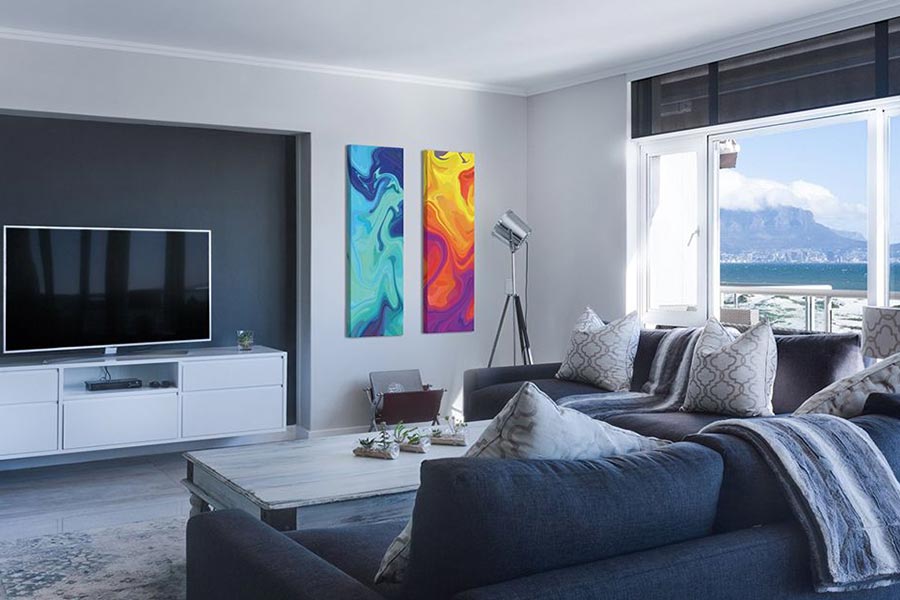
Panel placement has a bigger effect on the outcome than the number of panels. The same two units placed randomly or dropped into a first reflection point produce very different reverb measurements. Below are the rules used when treating a listening room, living room, bedroom, office or home studio, plus what to avoid so the … Continued
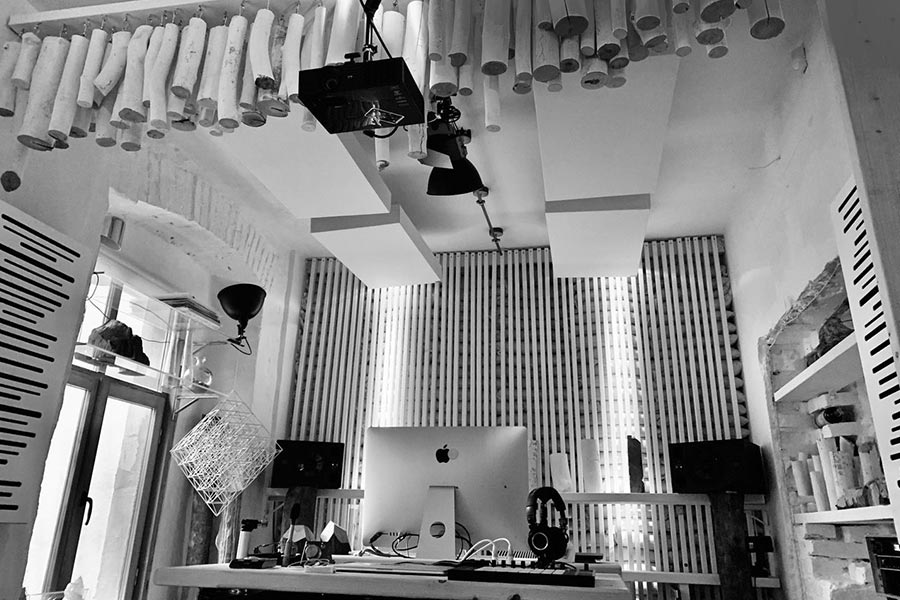
Echo and reverberation go away in one scenario: when the sound wave loses energy faster than the ear can catch its repetitions. In practice this comes down to three things done in parallel: absorbing reflections, scattering them, and controlling low frequencies. The room itself is described by RT60, the time the sound level takes to … Continued
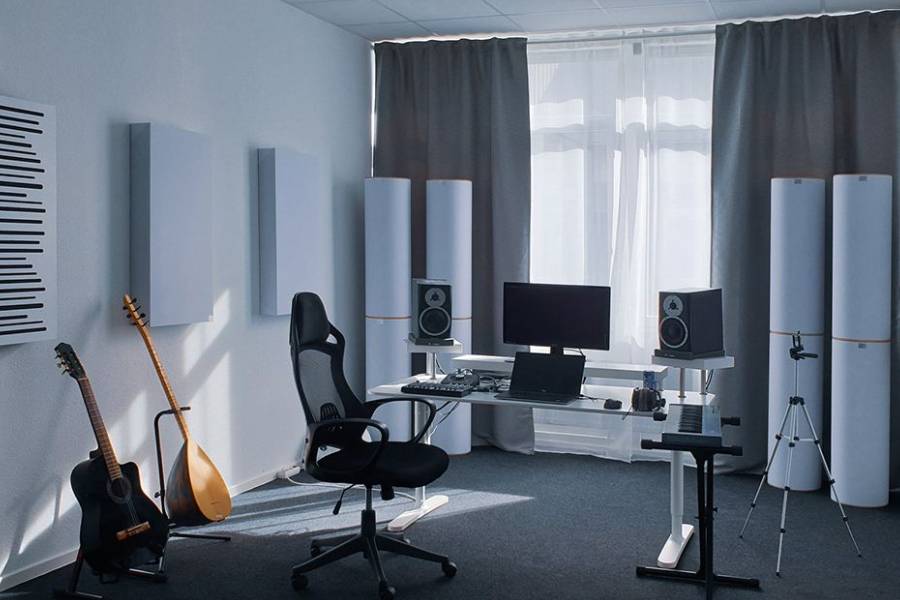
Good equipment is only half the job. The other half is the room it plays in. You can drop a fortune on speakers and an amp and still hear muddy bass, a flat midrange, and a stereo image that falls apart the moment you shift your head. The culprit is almost always the room’s acoustics. … Continued
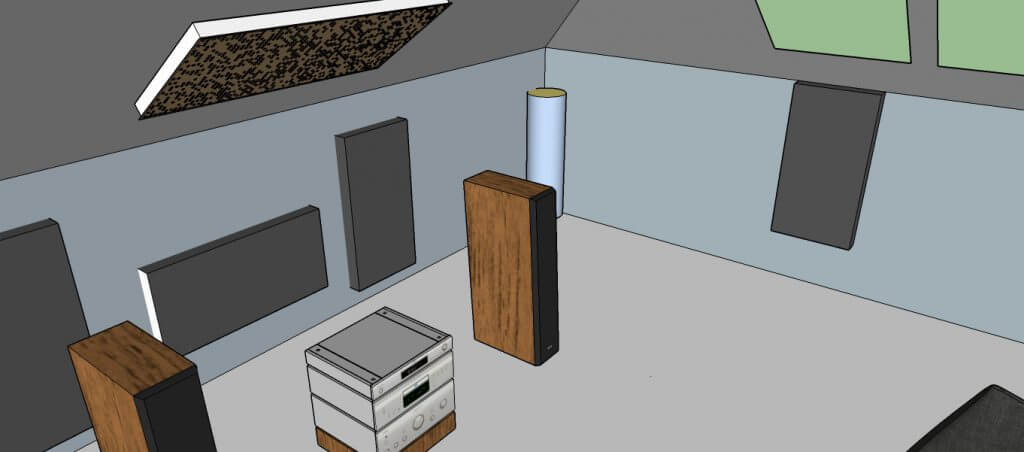
We would like to present you some of our acoustic projects and selected 3D visualization.

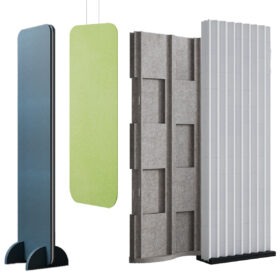
There are many types of sound absorbing panels on the market, one of the most popular products is so-called. acoustic foam often called pyramids. Usually it is a polyurethane foam or an increasingly popular melamine resin foam (Basotect). Until recently, blanks for eggs were often used to improve acoustics, but the myth of extrudates was … Continued