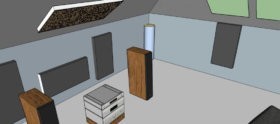
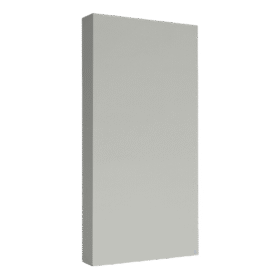
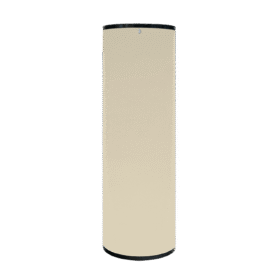
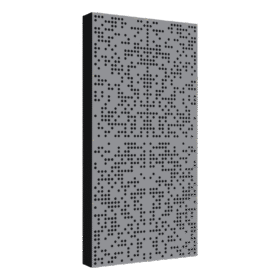
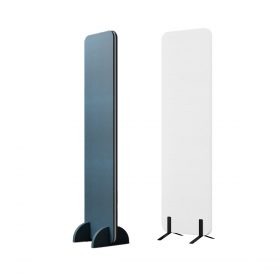
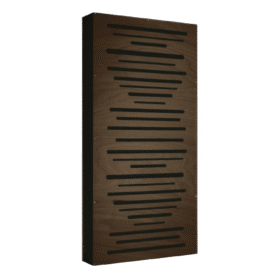


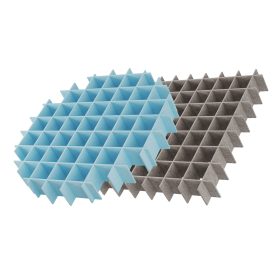

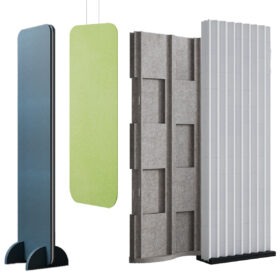

Sound wave absorption – in acoustic nomenclature, it is also referred to as the absorption of acoustic (sound) wave energy. Dedicated accessories in the form of physical bodies are responsible for sound wave absorption. The effect of sound wave absorption is a reduction in its energy and minimization of the wave’s reflection effect and the occurrence of acoustic defects, including echoes, flutter echoes, and comb filtering.
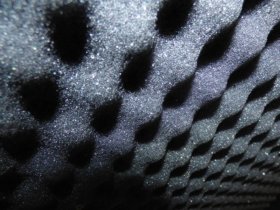
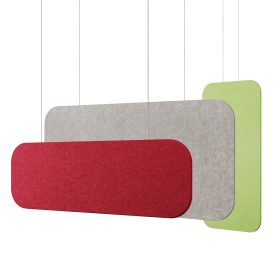
Sound absorption can take various forms. If the absorber (e.g., acoustic absorber) has a porous structure, the air vibrations that make up the acoustic wave will be dampened due to friction. In the case of textile absorbers, wave absorption occurs due to friction with the fabric. The higher the frequency of the sound, the stronger the effect of the absorbers.
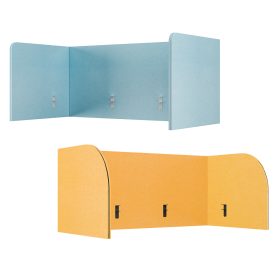
An alternative can be resonant acoustic wave absorbers. In this case, the maximum power of the absorbers is generated at the resonant frequency. Acoustic wave absorbers are primarily used in spaces such as concert halls, lecture rooms, and small interiors.