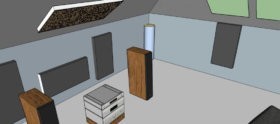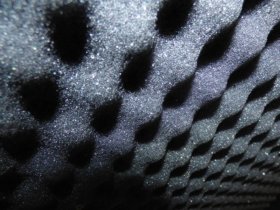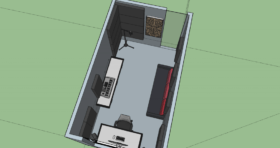




Reverberation – it is the sound that occurs as a result of the phenomenon of slow decay of sound energy in a given room. Reverberation is heard after the sound source is turned off or quiets down and is associated with the occurrence of many waves that reflect off the surfaces and walls of the given room or space. For the human ear, reverberation is perceived as an extension of sound.
The scale or amount of reverberation is determined by the reverberation time. This is the number of seconds required for the acoustic pressure to drop by 60 decibels. Many external factors influence the reverberation time, including the shape and size of the given room, the type of construction materials used, the frequencies of sound waves, the location of the instrument or other sound source, as well as the current temperature and humidity of the air. The length of reverberation determines the purposes for which a given room can be used and will differ in places such as voice-over recording studios, music recording studios, or concert halls.
This is an important phenomenon in acoustics, and we encounter it practically every day in our lives. We can experience reverberation in hallways, in large rooms, or on staircases, that is, everywhere sound can be easily reflected off walls and other obstacles. In acoustics, the opposite of reverberation is echo.