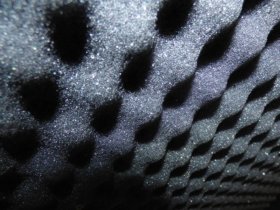
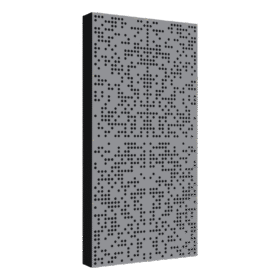
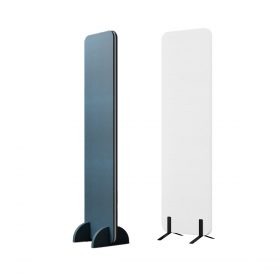
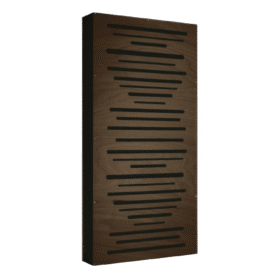


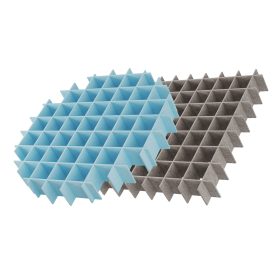
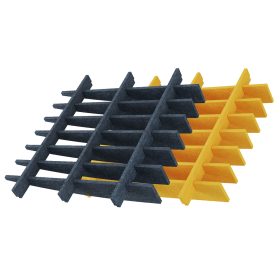
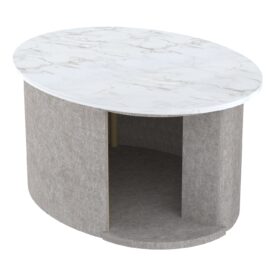
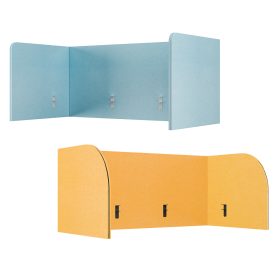
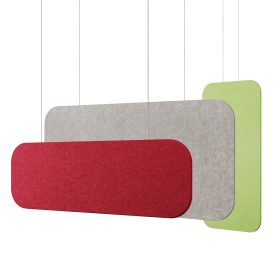

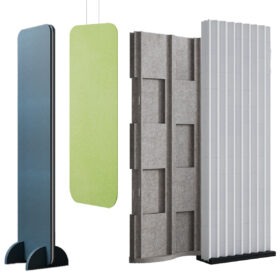

An acoustic isolator is a structure or physical body whose purpose is to reduce or even prevent the propagation of acoustic waves. An isolator is capable of minimizing sound transmission both within a single room and between adjacent rooms. Such devices are used, among other things, in the arrangement of recording studios, workspaces, or residential buildings. Isolators prevent the transmission of annoying sounds that could affect work efficiency or the quality of daily life.
The role of isolators can be fulfilled by, among others, masonry partitions, concrete partitions, or metal partitions. Multi-layer isolators are characterized by significantly greater effectiveness, where layers of greater and lesser surface mass are alternately used. Among the lighter materials, it is worth noting mineral wool, acoustic wool, or cork. With their use, popular acoustic structures are created, which are used in concert halls and recording studios.
Proper acoustic insulation affects not only the comfort of life but also the quality of perceived sound. This is crucial in places such as concert halls, theaters, lecture halls, cinemas, or music and acting recording studios.
The effectiveness of acoustic isolators is expressed in decibels and is called sound attenuation. High-quality isolators can have attenuation levels of 50 decibels or more.