




Acoustic absorption is a parameter that defines the ability to absorb the energy of acoustic waves through the surfaces of rooms or special acoustic structures. In simple terms, it means the ability of a room to dampen and absorb the sound waves generated within it. Determining the acoustic absorption of a given space allows for understanding its acoustic properties and potential for use in lectures, presentations, or music creation.
In every room, acoustic waves not only hit the surfaces of its walls but also additional barriers or people. This should also be considered when conducting research on the acoustic absorption of a given location.
If the room is empty and has uniform walls, the acoustic absorption can be calculated using the following formula:
A = a_avg x S
where:
A – acoustic absorption;
a_avg – average sound absorption coefficient;
S – area of the surfaces (walls, ceiling, and floor) that enclose the room.
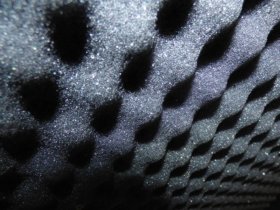
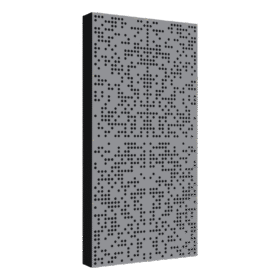
If there are additional objects, barriers, or people in the room, the formula for calculating acoustic absorption becomes more complicated. Increasing the acoustic absorption of a room can be achieved by using acoustic structures within it.