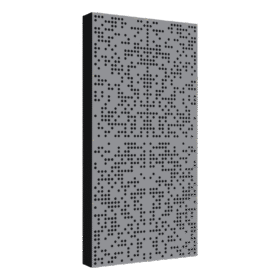
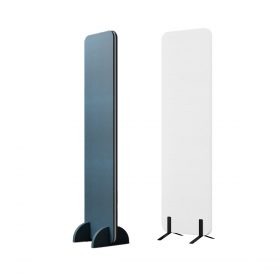
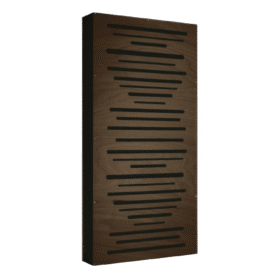


Acoustic foam, Soundproof foam, Basotect tiles (25)
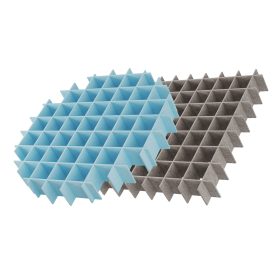
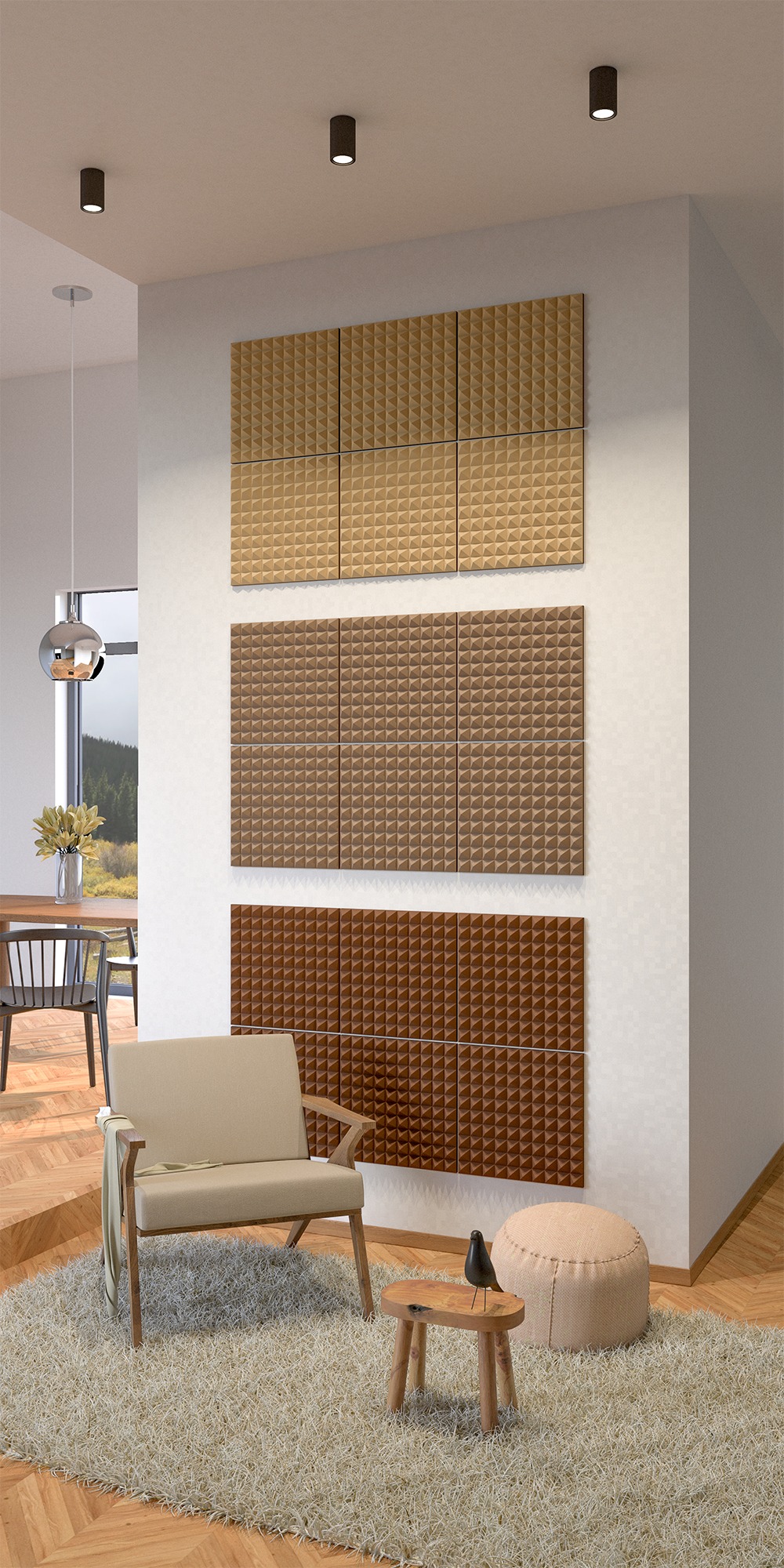
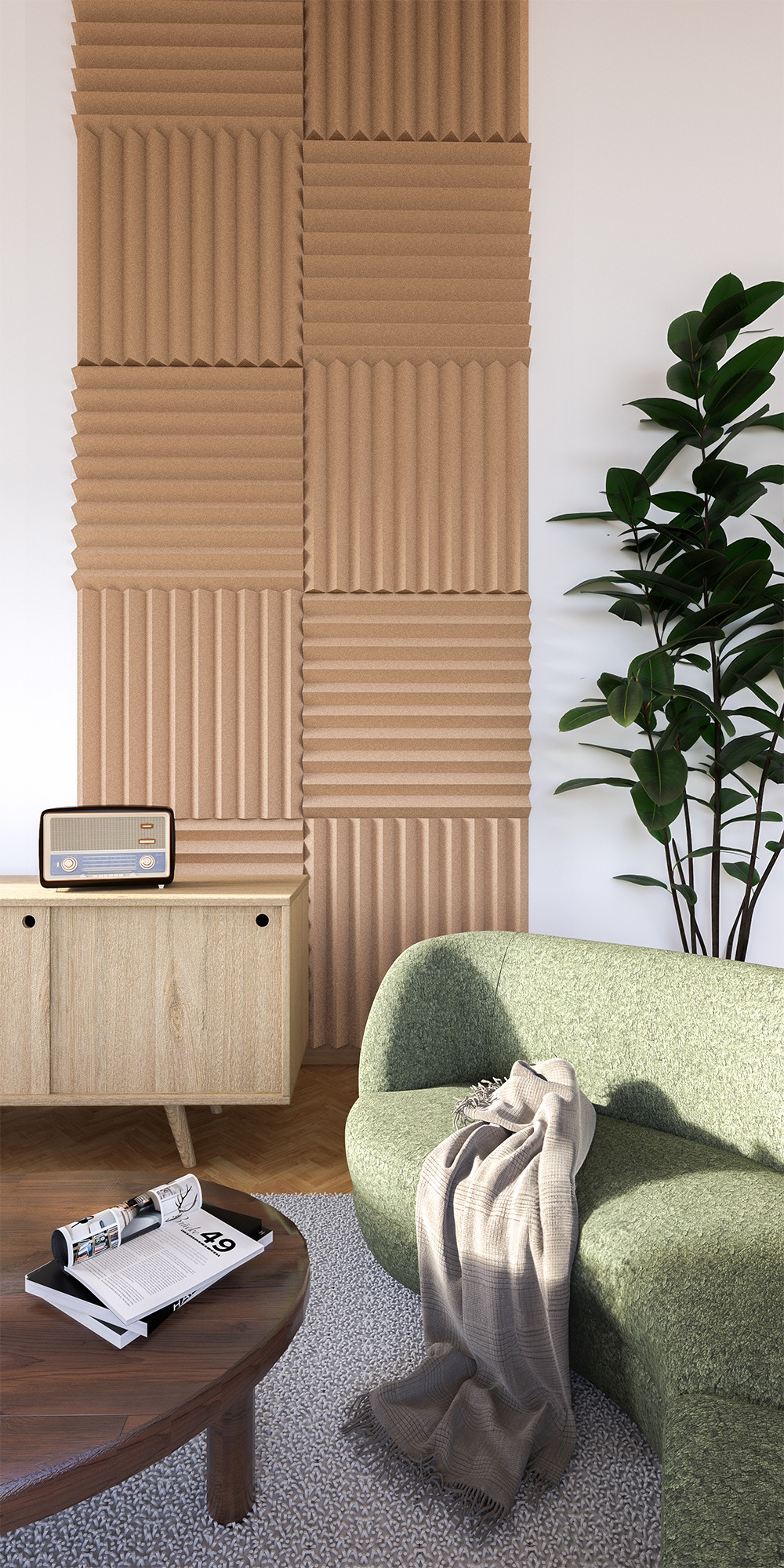
Acoustic foams are popular acoustic solutions that combine functionality with attractive design. Made of polyurethane or Basotect melamine foam, they are available in a wide variety of shapes – from classic rectangles to distinctive pyramids, triangles, and trapezoids. A broad color range and a choice of different thicknesses (3, 5, 7 cm) allow for the creation of unique visual compositions on walls and ceilings. Their geometric forms not only enhance room acoustics but also serve as decorative elements that give interiors a modern and professional character. Installed using self-adhesive strips, they can be flame-retardant and self-extinguishing, ensuring safe use in studios, conference rooms, and home environments.
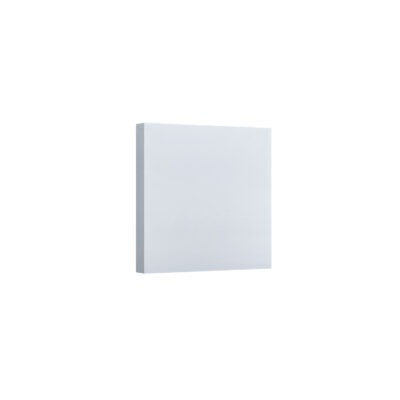
Basotect BASF B White – Self-adhesive
Basotect BASF G+ Light Grey – Self-adhesive
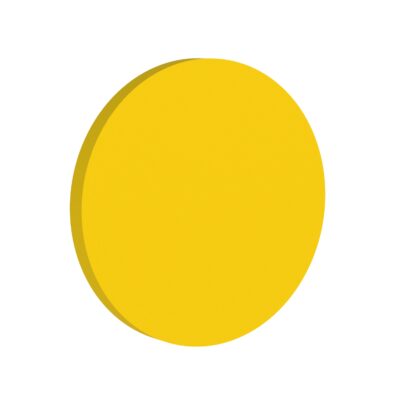
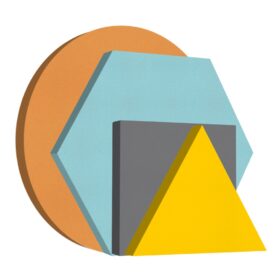
Basotect Foamly Circle

Basotect Foamly Diamond
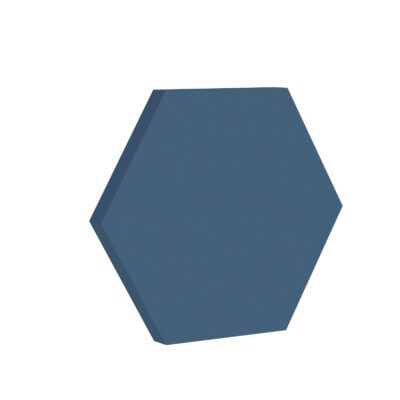
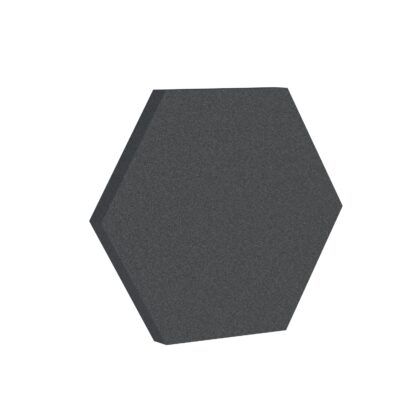
Basotect Foamly Hexagon

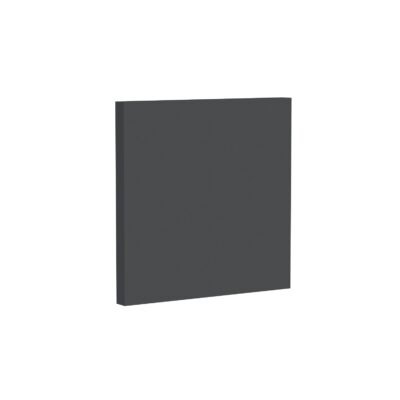
Basotect Foamly Square

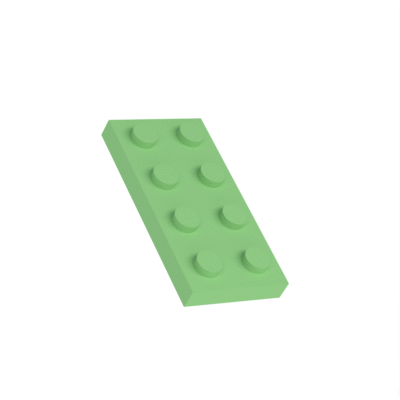
Foamly Blocks
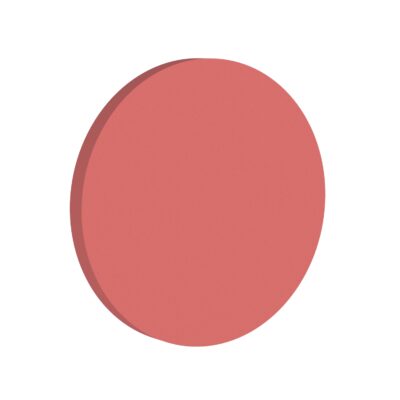
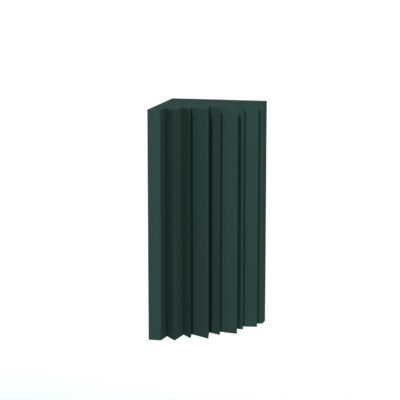


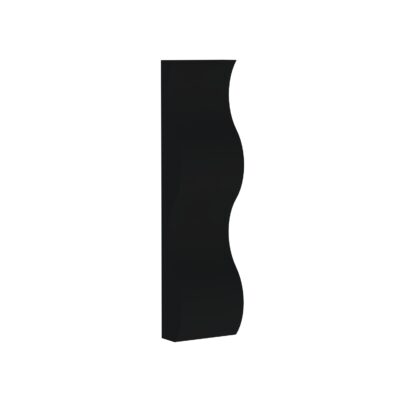
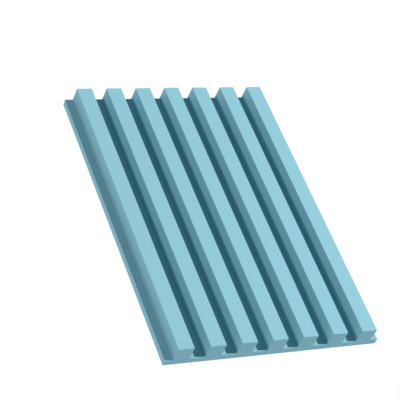


Acoustic foams
There are many types of sound-absorbing panels on the market, but one of the most popular products is so-called acoustic foam, often referred to as “pyramids”. It is usually made of polyurethane foam or the increasingly popular melamine resin foam (Basotect).
Another material that used to be widely applied to improve acoustics were empty egg cartons — however, the myth of egg cartons has long been debunked. In reality, they have virtually no impact on room acoustics.
What do acoustic foams do?
The density of polyurethane acoustic foam typically ranges from 20 kg/m³ to 40 kg/m³. Its structure and density allow it to act effectively on acoustic waves in the high and mid-frequency range. In the case of thick (8 cm) melamine foam, its effectiveness reaches down to around 250 Hz. However, it is important to remember that acoustic foam is not a perfect solution for acoustic treatment.
Due to its limited action in the mid and high-frequency bands, it should be used thoughtfully. If only foam panels are used in a room, the overall acoustics may worsen, as greater imbalances in the room’s frequency response may arise. The reverberation time of high frequencies will significantly decrease, while the low frequencies will remain unchanged. This can result in boominess and audible coloration of the bass.
How to choose acoustic foams?
Addictive Sound’s Basotect melamine foams are used to improve indoor acoustics. To decide which acoustic foam best suits your needs, it’s worth learning about their properties. This knowledge helps in selecting the right products for your space. Melamine foams optimize room acoustics and are suitable for both commercial and residential interiors. They are pleasant to the touch and have a soft, fine-grained texture that perfectly absorbs sound. They are lightweight and offer good thermal insulation. Available in various sizes, shapes, and thicknesses — such as rectangles, triangles, trapezoids, and other polygons — and in many colors, they allow for creative wall or ceiling designs with decorative accents.
It’s important to consider foam thickness when selecting acoustic foam. Options include 3, 5, and 7 cm. A general rule: the thicker the foam, the better the performance and absorption of lower frequencies. However, thicker panels also come with a higher price. Installation is simple thanks to the self-adhesive strips on the back. These foams are flame-retardant and self-extinguishing, making them safe to use.
Alternative to acoustic foams – Absorbers
A great alternative to acoustic foams are broadband absorbers made from high-density wool, such as Isover PT-80. The wool’s density should be chosen to absorb the lowest possible frequencies without reflecting mid and high ones. Of course, this also depends on the intended acoustic effect. Thanks to their even absorption characteristics, absorbers are a superior alternative to foams. They absorb both low frequencies (even from 80 Hz) and high frequencies.
The special construction of the Addictive Sound broadband absorber optimizes its acoustic performance. A low-weight, acoustically transparent fabric is used, which is practically neutral to sound waves. Beneath the main fabric layer is an additional inner layer to prevent any dusting. The rear of the panel is finished with a thin furniture-grade board, which enhances low-frequency absorption. Acoustic waves that pass through the wool hit the wooden board, causing additional wave bending. The reflected sound must then travel back through the wool and board, increasing absorption. If an air gap is added between the wall and the panel, performance is even further improved. The rear board significantly enhances the panel’s performance compared to absorber panels without a backing. The solid furniture-grade construction also provides durability and an appealing visual appearance.
Foam vs. Absorber – Installation
Absorbers come in a wide palette of 25 colors. Compared to acoustic foams, installation is simpler and less invasive. They are hung like a picture using two dowels included in the set. Unlike foams, they do not need to be glued to the wall — which means they can be removed without damaging the wall or the product.
It’s also worth noting that acoustic foams do not provide sound insulation — they do not block noise between rooms. They are only meant to improve the internal acoustics of a space by reducing reverberation.
Acoustic foams should be used consciously, understanding the acoustic consequences they may cause. When choosing acoustic foam, opt for higher density types that can have a more noticeable effect on low frequencies. Don’t forget about excellent alternatives like absorbers — they lack the shortcomings of foam pyramids and offer many additional advantages.
Installation is very simple. Each foam comes with self-adhesive strips on the back, making the process fast and easy.
High-quality acoustic foam with excellent sound absorption properties can be purchased from our online store specializing in acoustic treatments. We also accept email orders and sell via Amazon.
Sound-absorbing foams in our online store range from €33.90 to €71.90 depending on the type and shape of the foam.
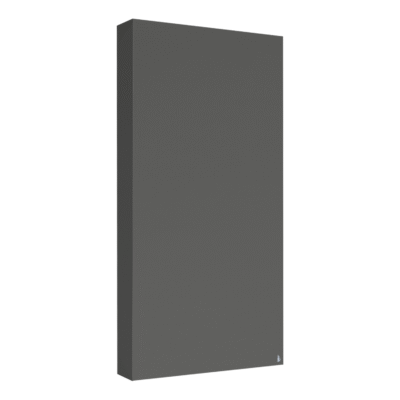
Absorber Premium
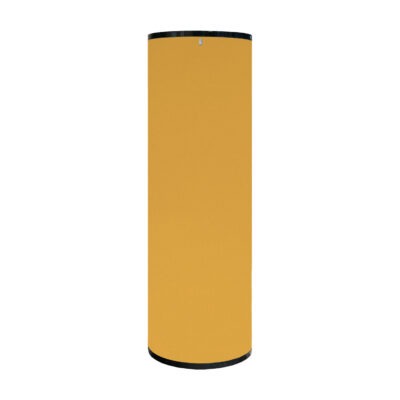
Bass Trap Premium