


Wall and Ceiling Acoustic Panels – Which sound-absorbing panels to choose?
Professional wall and ceiling acoustic panels should be installed in every room requiring appropriate acoustics. Such rooms include recording studios, home theaters, conference rooms, offices, etc.
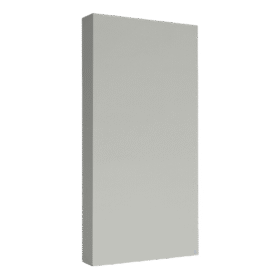
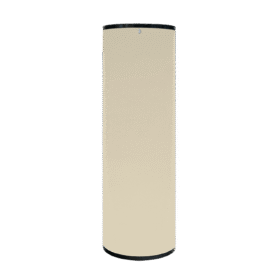
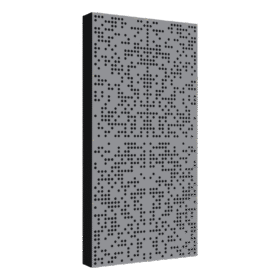
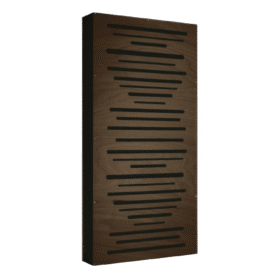
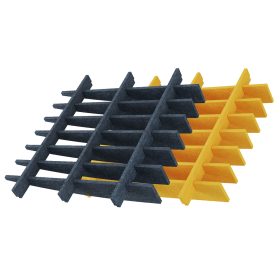
We distinguish between acoustic systems that absorb and diffuse sound. Panels that absorb sound waves are Absorbers, and those that diffuse sound are Acoustic Diffusers. Additionally, there are Hybrid sound-absorbing panels – those that both diffuse and absorb sound. It's worth paying attention to Bass Traps, which work on the lowest frequencies known as bass.
In summary, if we want to eliminate reverberation or echo, the best choice would be Absorbers or in some cases Acoustic Panels.
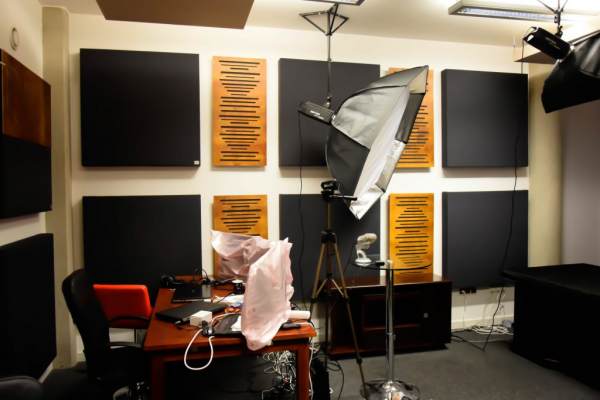
If we care about high-quality music in the room and want the sound to remain "alive," we will use Diffusers. Remember, when building a studio, home theater, or any place where music will be played or recorded, the best acoustic effect will be achieved with a combination of diffusing and absorbing systems.
Decorative Acoustic Panels – Where to install them?
If we have a problem with too long reverberation time, echo, or booming bass, effective acoustic panels will excellently solve this issue. Sound-absorbing solutions will work in both small home spaces and large offices or concert halls.
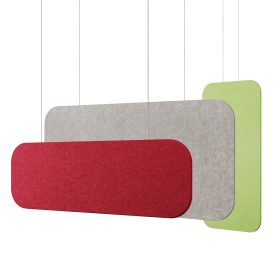
There are several techniques for mounting acoustic systems on walls and ceilings. The most popular are direct mounting using anchor bolts or double-sided tape. For ceilings, wire suspension or mounting on special rails is often used. The choice of mounting method depends on the type of panels and the specifics of the room.
The installation on both the wall and ceiling is very simple; just drill two holes and attach the system.
This task is facilitated by a mounting kit included in the package. The acoustic comfort obtained by using sound-absorbing panels is worth it – as confirmed by consumers who have used this solution.
On our blog, you will also learn how to choose the right acoustic foam to meet your needs.
What materials are our panels made from?
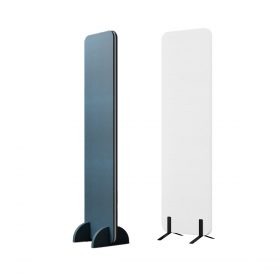
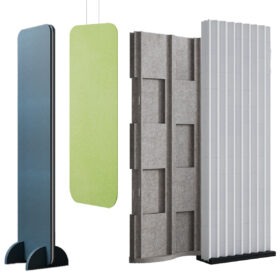
Acoustic panels are products of the highest quality. All materials used are safe, flame-retardant, and hygienic. Screens are available in many color versions and different sizes. There is also the possibility of making panels in unusual patterns, on special order.
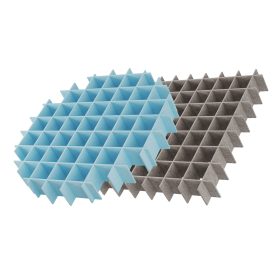
Sound absorbers such as mufflers and acoustic images have a construction made from furniture board, while their back is finished with an HDF board. Mineral wool and decorative, sound-absorbing fabric are used. Other absorbers, like acoustic foams, are made from polyurethane or melamine resin. For acoustic diffusers, most are made from wooden and plywood screens, which provide excellent acoustic properties.
For the production of hybrid panels, such as binary diffusers, two types of materials are used. One of them is acoustic foam, and the other is perforated furniture board or plywood. The foam serves as an absorber and is placed at the back, while the front made of wood is the diffuser.
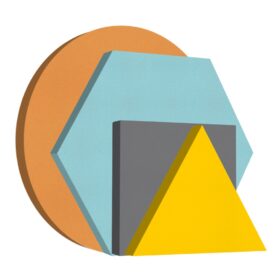
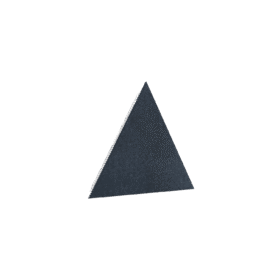
Bass traps come in various forms, such as cylindrical, triangular, or square shapes, but the shape only holds aesthetic value. The most popular material used for bass traps is selected mineral wool, which can absorb low frequencies. Additionally, a perforated board or a specially prepared piece of sheet metal can be placed in the construction, helping the panel better absorb the designated frequency range.
Acoustic Adaptation of Walls – What Do We Gain From It?
By properly adapting the walls and ceiling, we can achieve very good sound quality. When designing a recording studio, we must remember to adequately soundproof and "mute" the rooms so that all recordings proceed in favorable conditions. In offices, it's important to reduce reverberation time and eliminate noise, which will significantly improve both efficiency and the well-being of those working there. When creating a home theater or an audio room, even the most expensive equipment will sound bad in a non-adapted room.
Acoustic improvement systems don't have to be expensive, it's worth looking for solutions directly from the manufacturer because the prices are much more attractive.
When preparing the acoustic project of a room by yourself, you need to remember to select the appropriate panels for the existing problem. Next, determine the quantity of systems and their placement. A correct project will eliminate many acoustic issues. Acoustic and sound-absorbing panels, especially decorative panels, will work in any room.
Check out our offer:
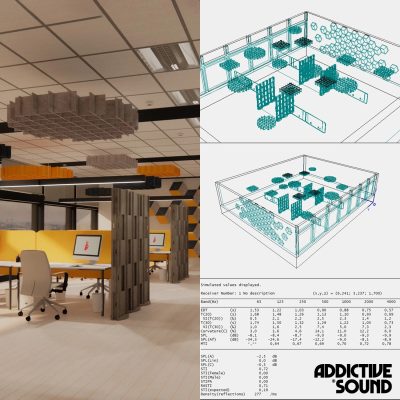
Acoustic project with 3D visualization and acoustic simulation.